

“Born is the
whale living in
the ocean.”
– The Kumulipo
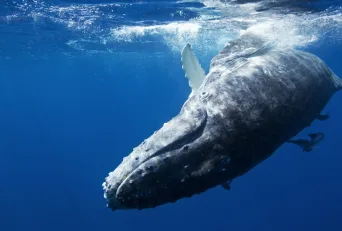
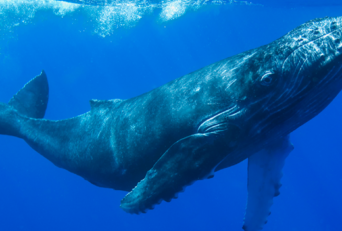
The answer to the first question is that the Kohola, or Humpback, is the only species of whale that makes this trek every year. The specific subspecies that comes to visit us in Hawaii is the North Pacific Humpback Whale.
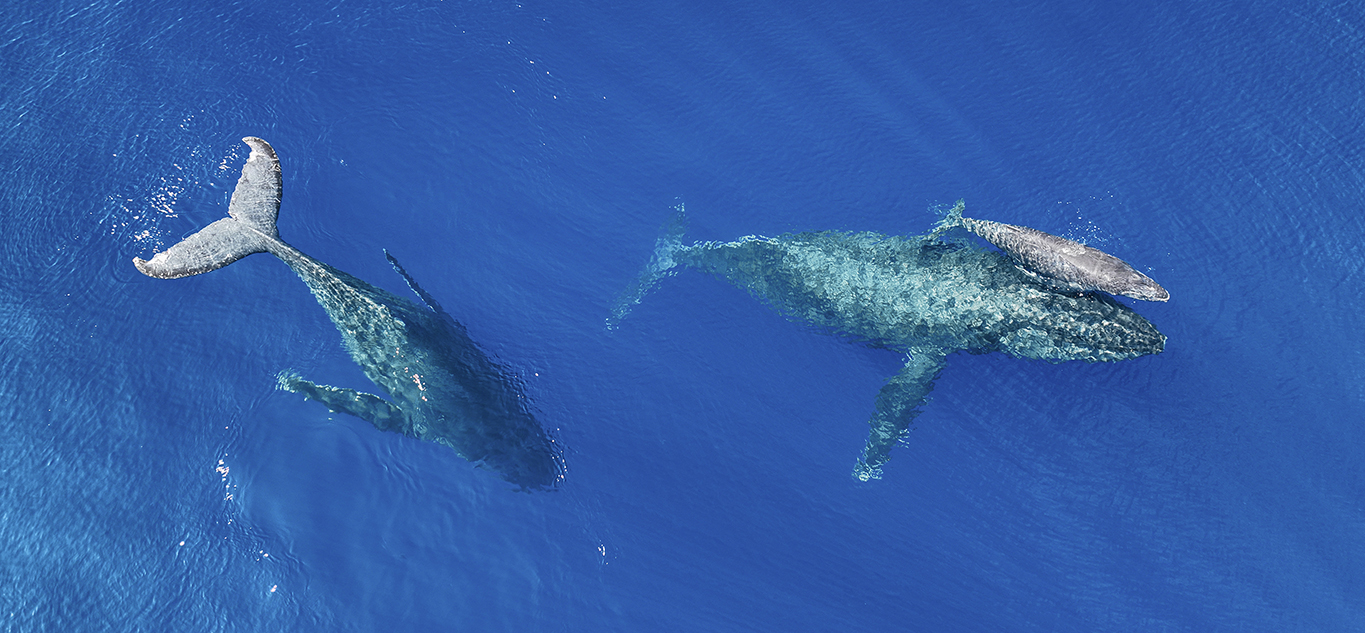
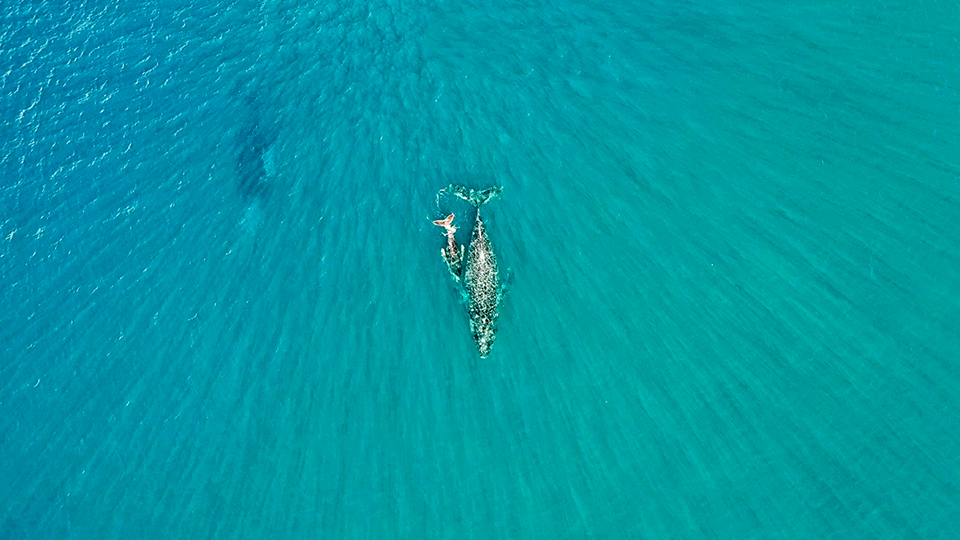
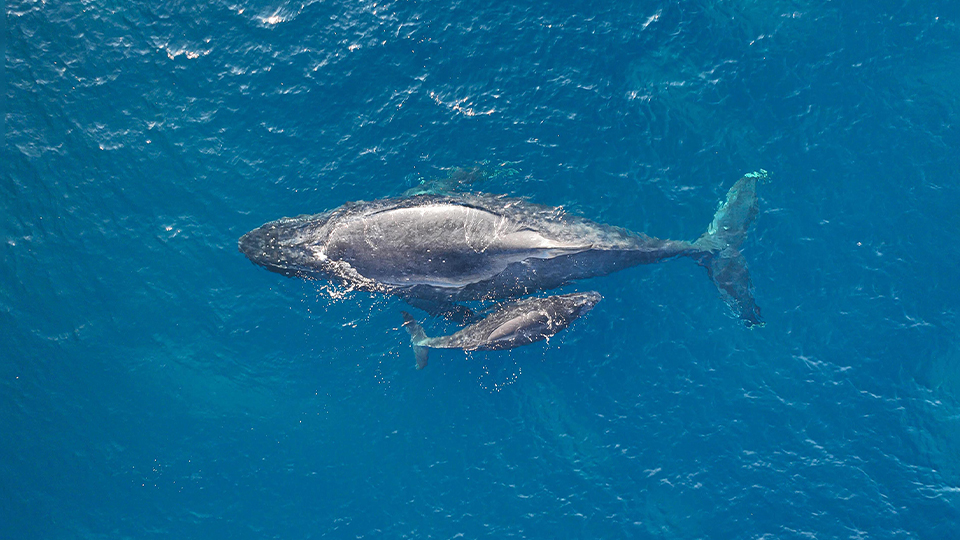
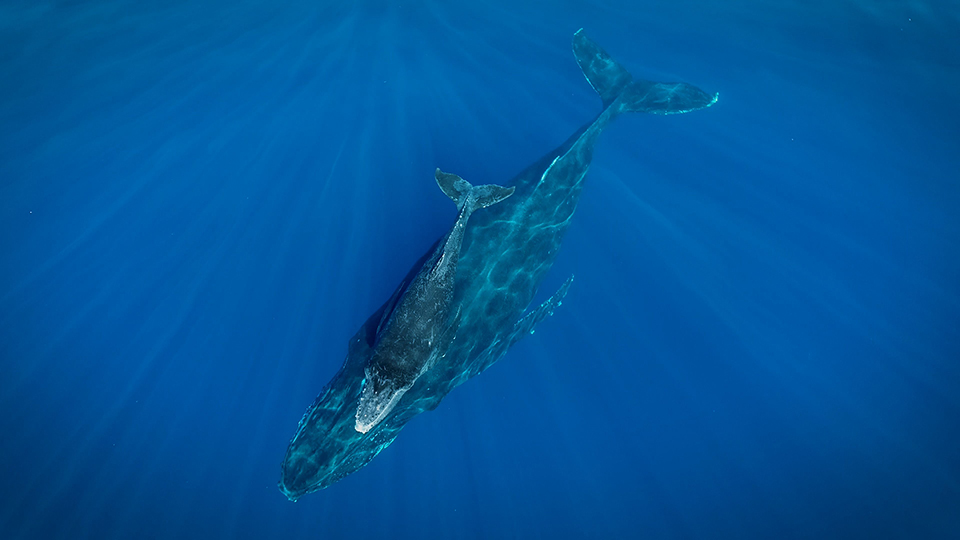
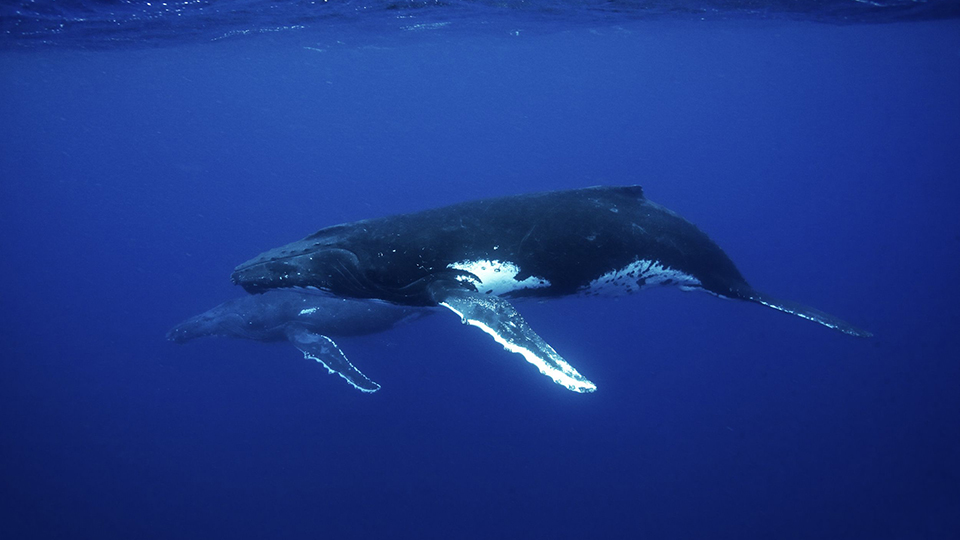
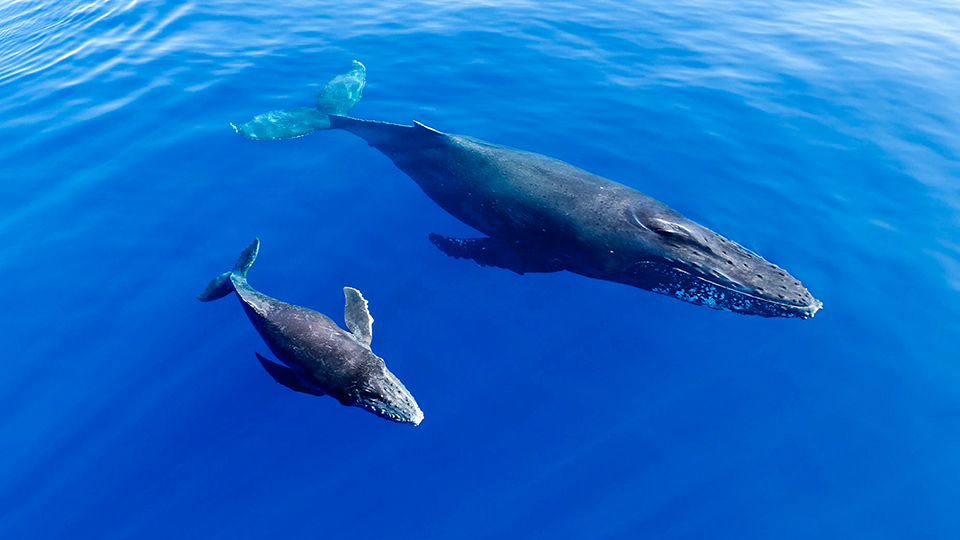
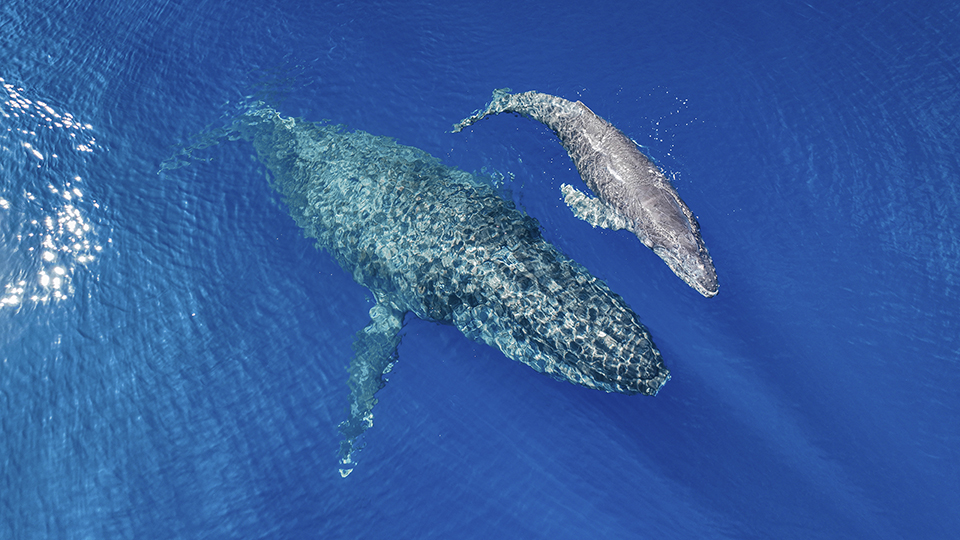
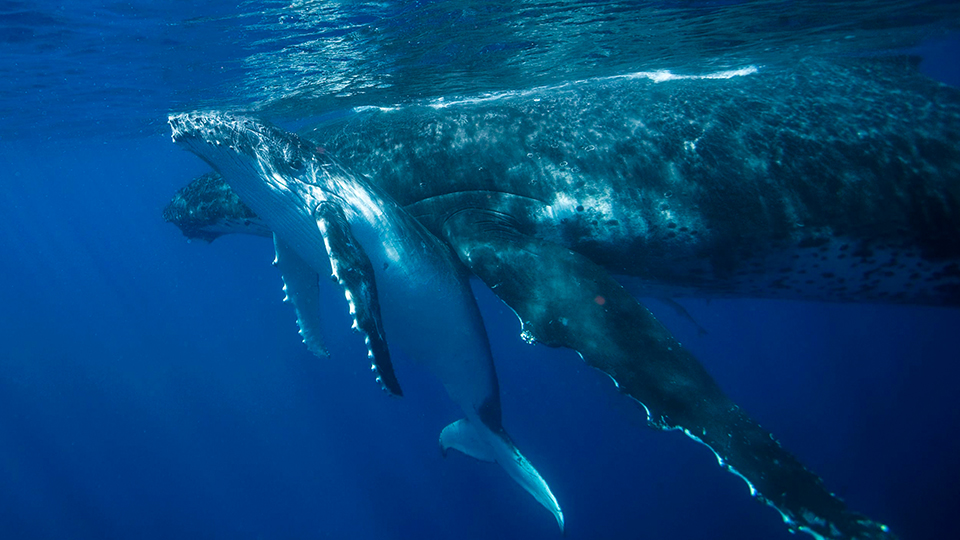
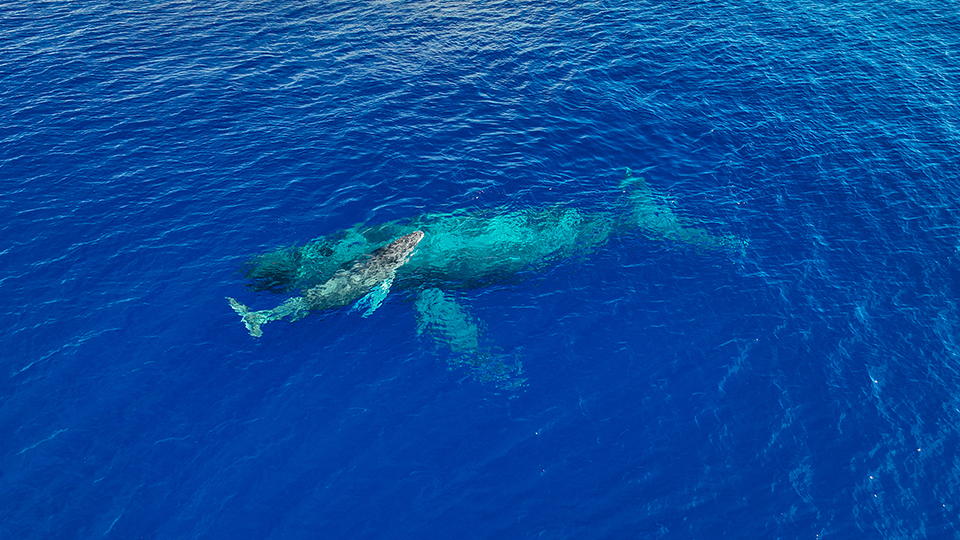
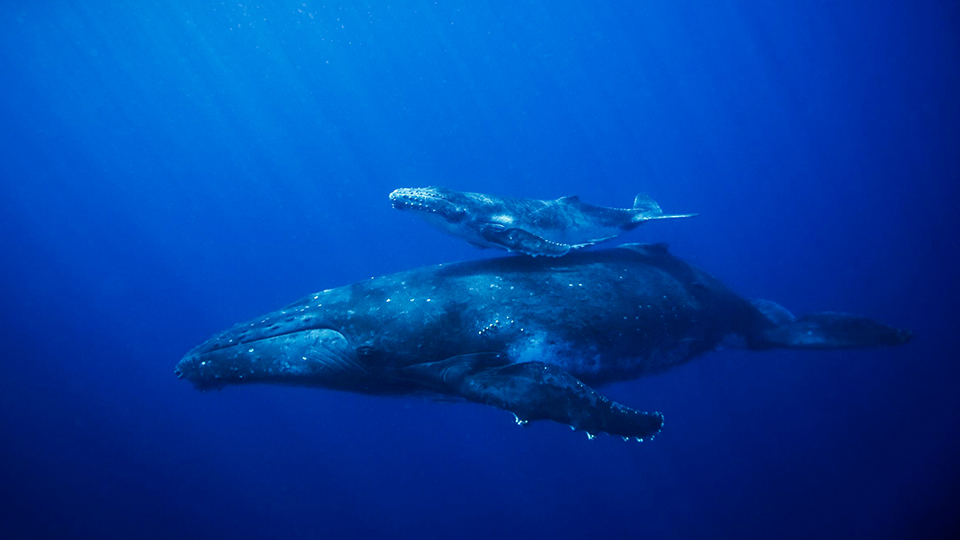
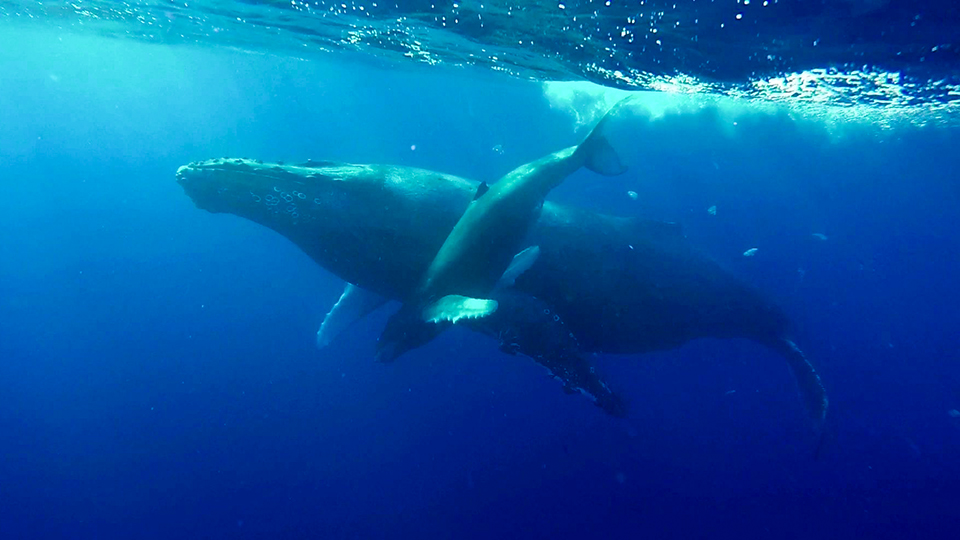
The migration is timed with the whales’ reproductive cycle. Humpback whales have an 11-12 month gestational period, so last season’s breeding leads directly to the following season’s birthing. The season’s breeding occurs in the winter months, and the calves are born during the season’s birthing in the same sanctuary waters. This cycle ensures that mother whales and their calves have the best chance of survival in the warm, protected environment. Calves remain with their mother whales for up to a year, learning essential survival skills.
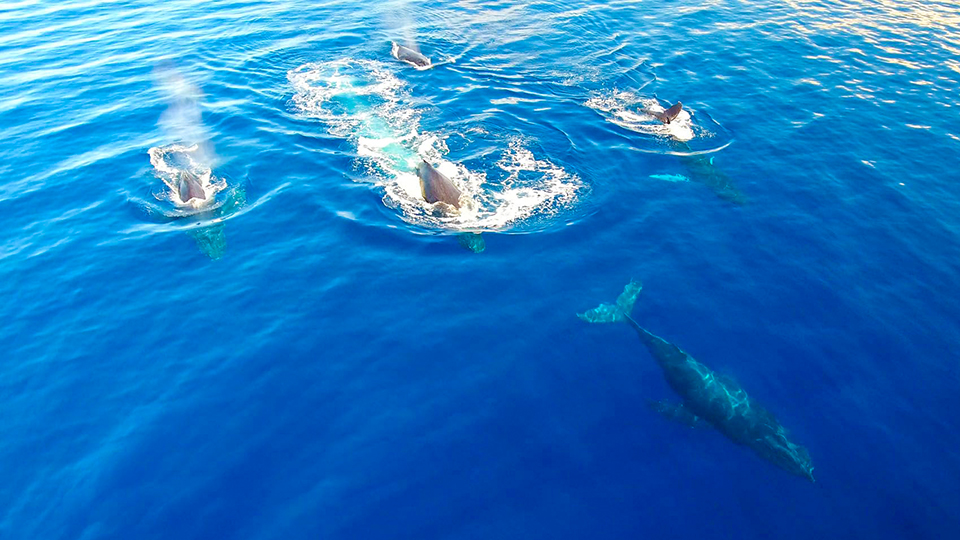
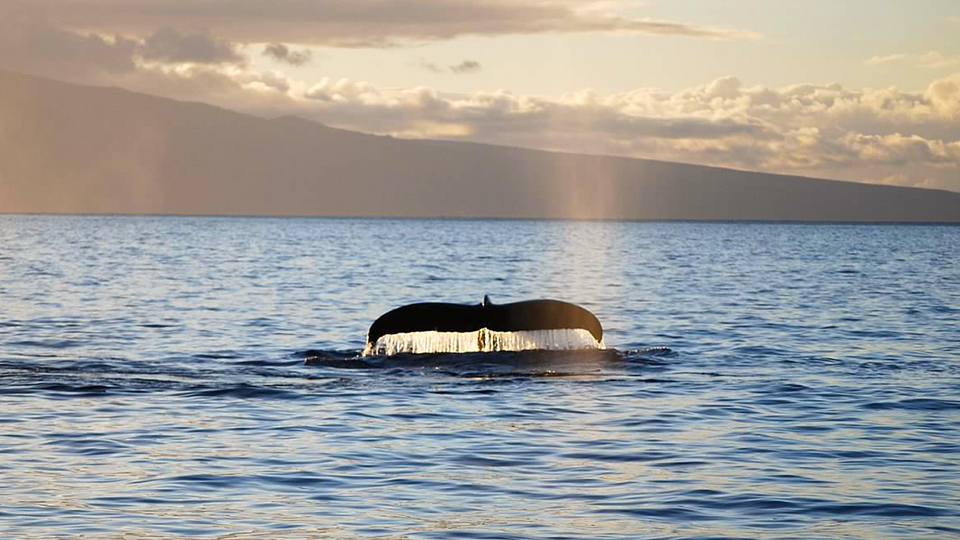
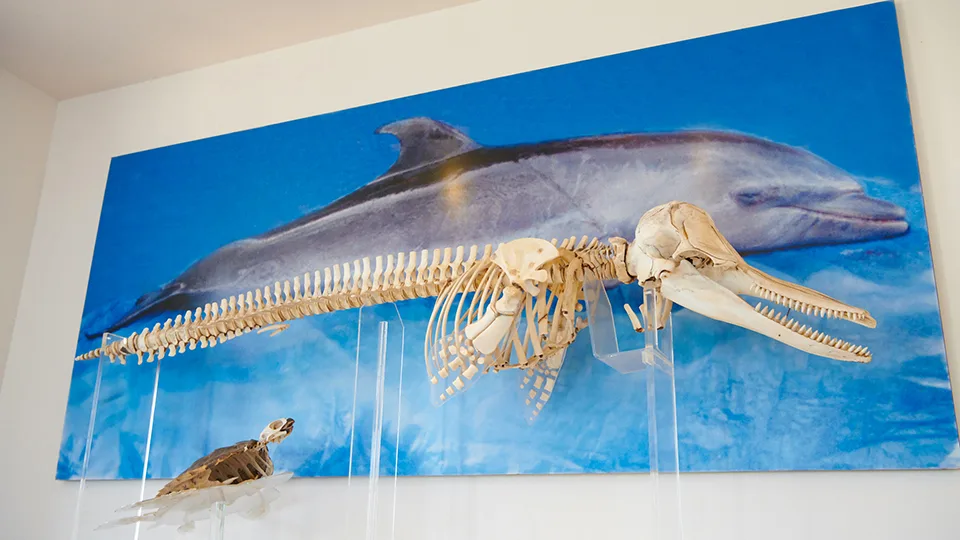
Prime locations to watch whales and observe their behaviors include Maui, the Big Island, Kauai, and the North Shore, all of which are important habitat areas for the Hawaiian Islands humpback. Sanctuary waters around these islands are renowned for whale watching, where visitors can also spot dolphins often seen trailing behind whales or playing nearby.
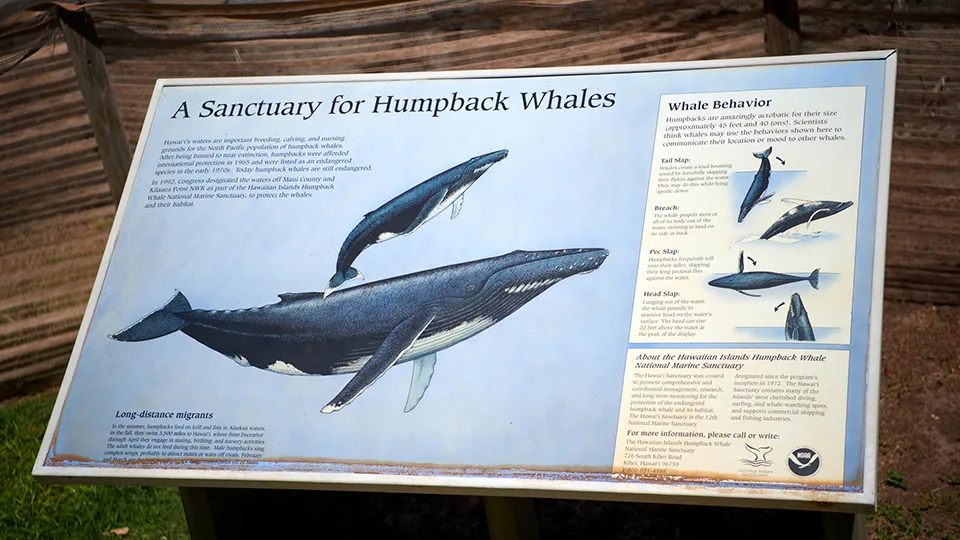
The Hawaiian Islands Humpback Whale National Marine Sanctuary plays a crucial role in protecting the Hawaiian Islands humpback whale. The sanctuary advisory council, composed of government agencies and public representatives, guides management and fosters community support. Long-term monitoring within the sanctuary helps track whale populations and habitat health, informing conservation strategies. The sanctuary’s protected status is vital for the recovery of humpback whales, whose numbers were once decimated by commercial whaling.
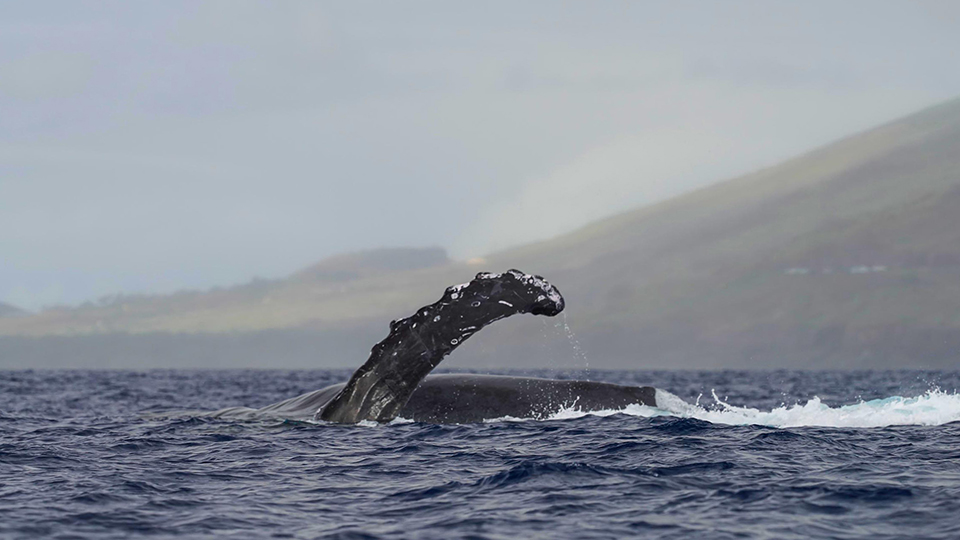
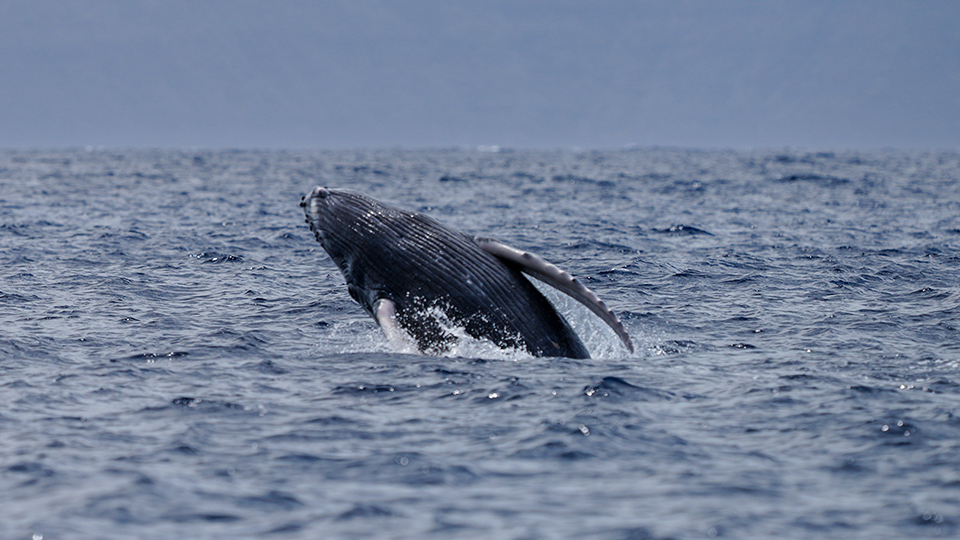
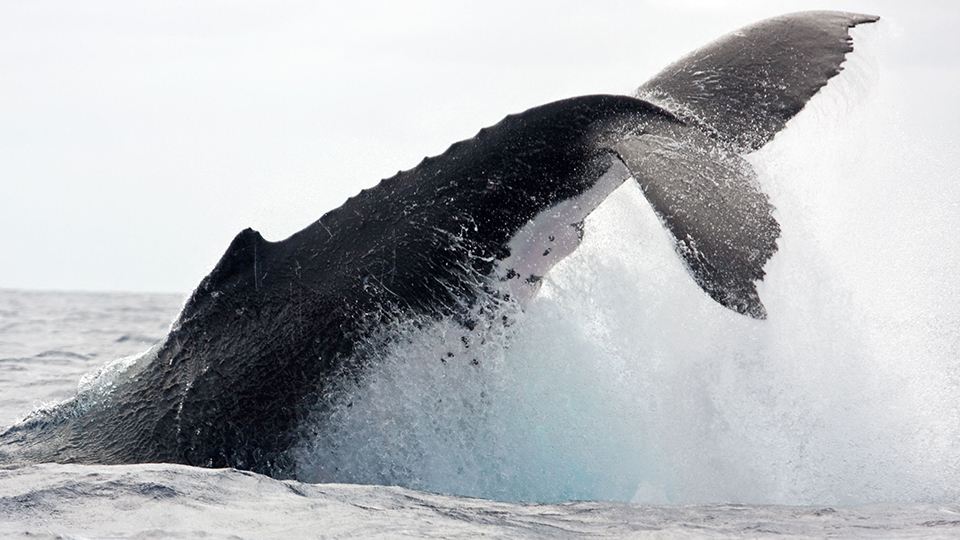
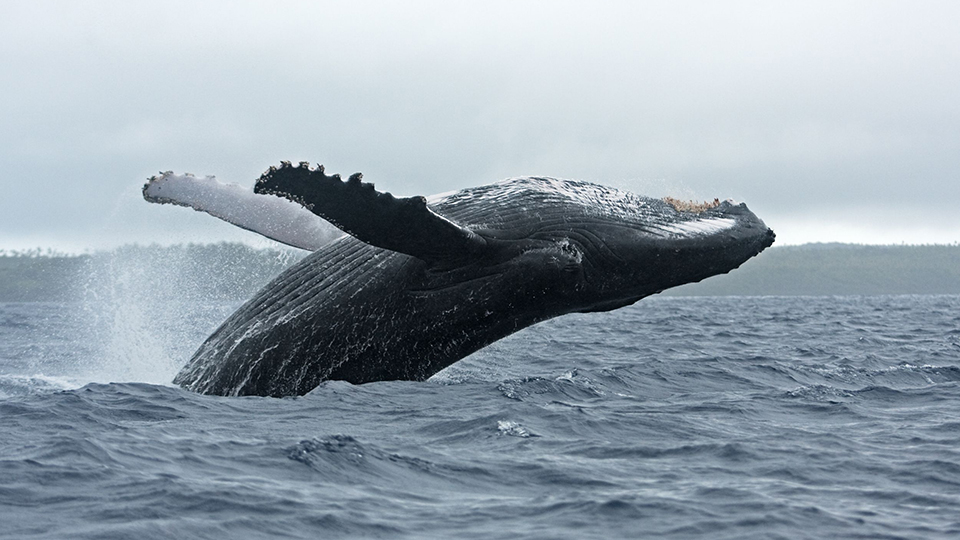
Whale watching in sanctuary waters is a unique opportunity to watch whales breach, slap their pectoral fins, or engage in tail slapping, often resulting in a thunderous splash that delights onlookers. Male humpbacks are known for their complex songs, which they use to attract a mate and establish territory during the breeding season.
Native Hawaiians have a deep cultural connection to the marine environment, including the sanctuary waters, and continue to be important stakeholders in the conservation and responsible use of these resources. The rich marine life in these waters, including dolphins and other species, highlights the ecological significance of the region.
Do All Humpback Whales
Come to Hawaii?
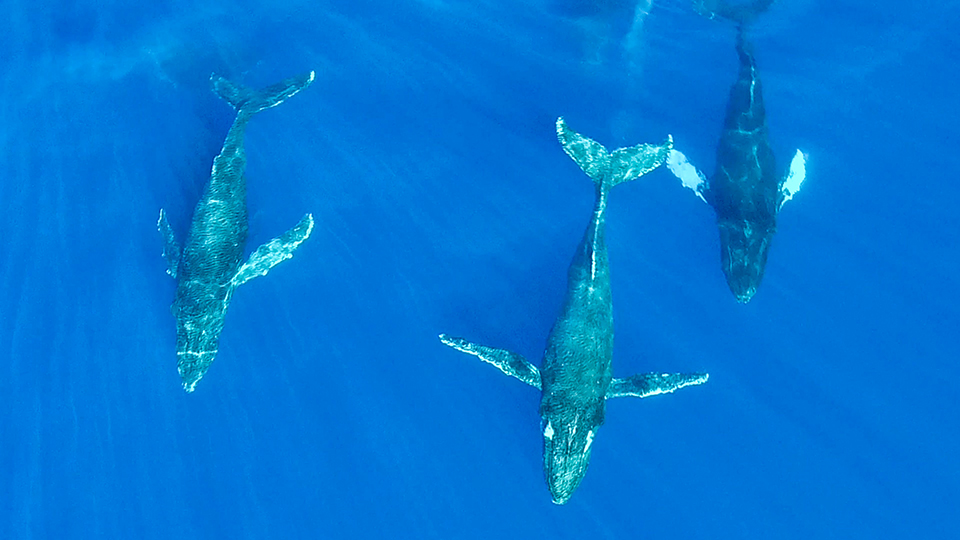
Well, not all of them do, but it is estimated that over 50% of the North Pacific humpback whale population comes to Hawaii in the winter, with the number being around 12,000! The North Pacific population of humpback whales is known to migrate to three different mating and birthing grounds during the winter.
Come to Hawaii?
Why Do Humpback Whales Come to Hawaii?
Every year, humpback whale populations migrate from cooler feeding grounds to warmer breeding grounds. Marine biologists who study whale migration to Hawaii have determined that the warm, tropical climate is perfect for mating and giving birth. Humpback whales reach sexual maturity between four and 10 years old, after which females birth a calf once every couple of years. Calves are between 13 and 16 feet long when they’re born and they double in length after just one year!
When Is Hawaiian Whale Watching Season?
Humpback whales are found in oceans throughout the world. However, they only come to Hawaii after the summer winds down in Alaska. Towards the end of summer, the whales will leave the chilly Alaskan waters and swim south for six to eight weeks straight. For the whales to get from Alaska to Hawaii, it is about a 6,000-mile journey.
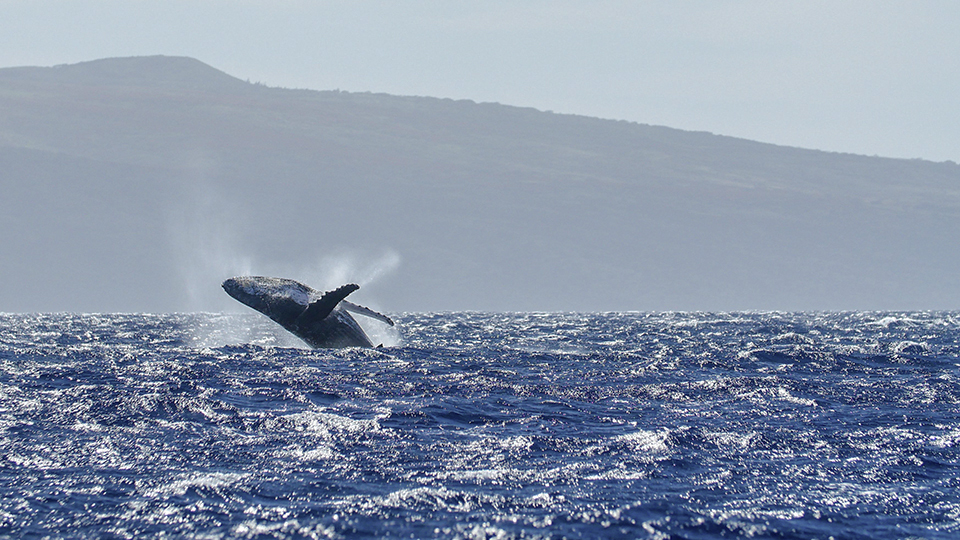
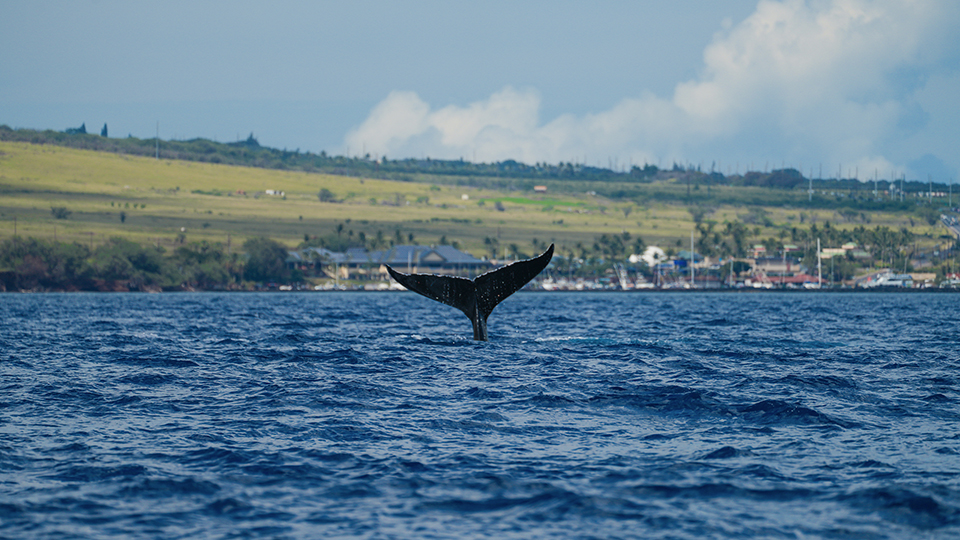
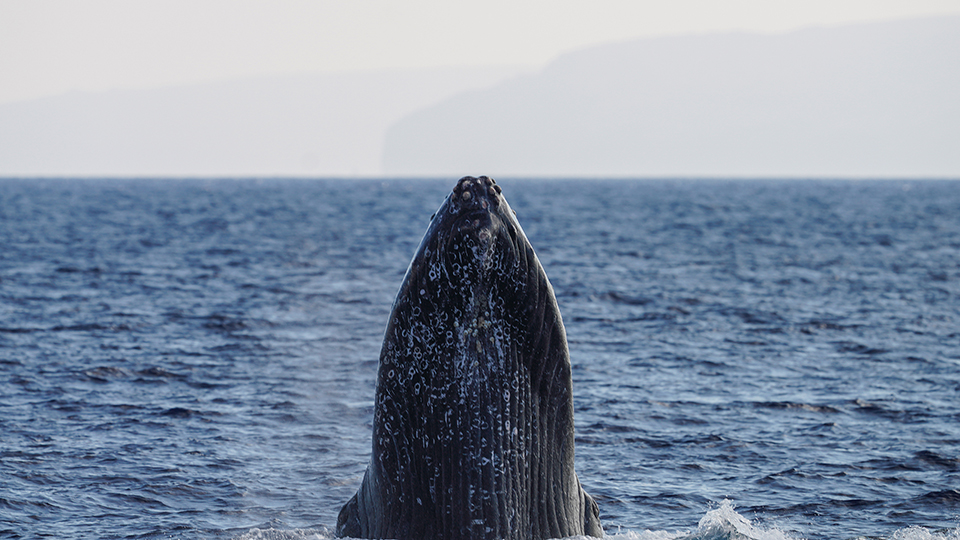
North Pacific Humpback Whale Facts
- The North Pacific Humpback Whale population has grown from approximately
- 1,400 in 1966 to 21,000 in 2014
- An average of 8,000-10,000 Humpback Whales visit Hawaii every year
- They are the 5th largest whale species in the world (weigh 50-80k lbs and up to 60 feet in length)
- The humpback life span is about 50 years
- A single adult whale consumes up to 3,000 lbs of food daily, but they never feed in Hawaii’s oceans
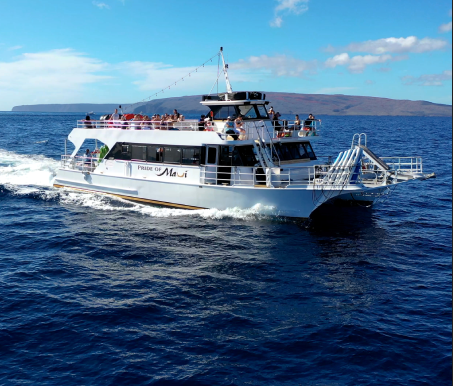
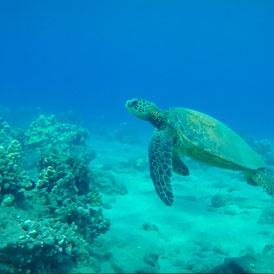
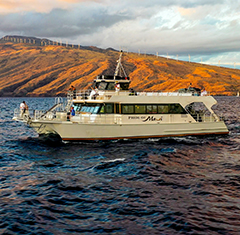
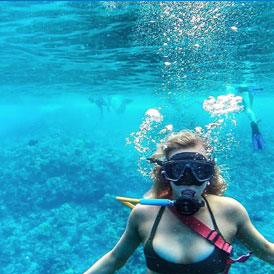
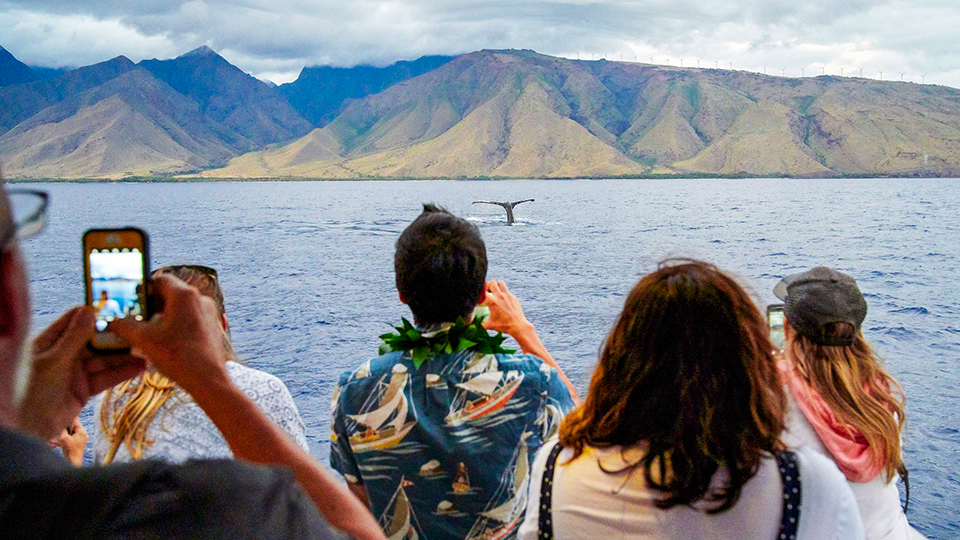
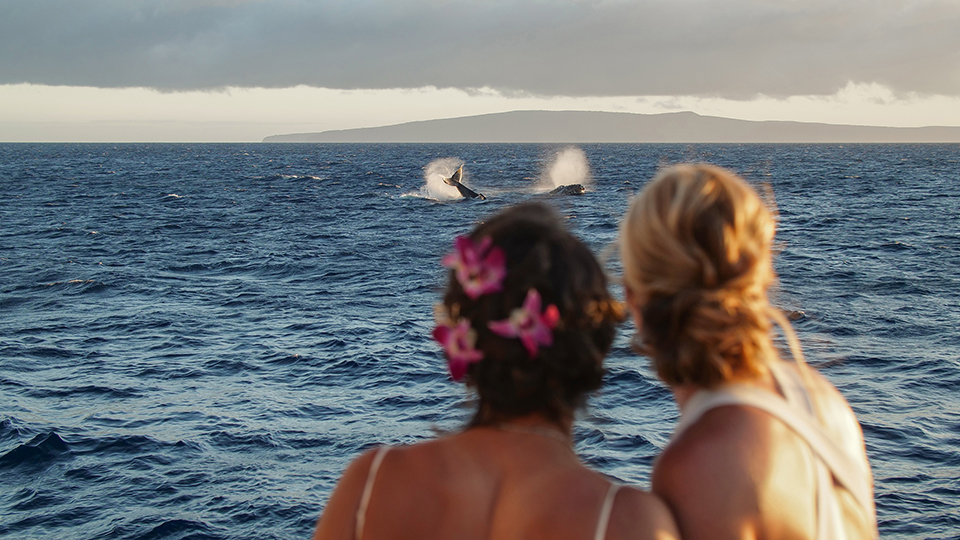
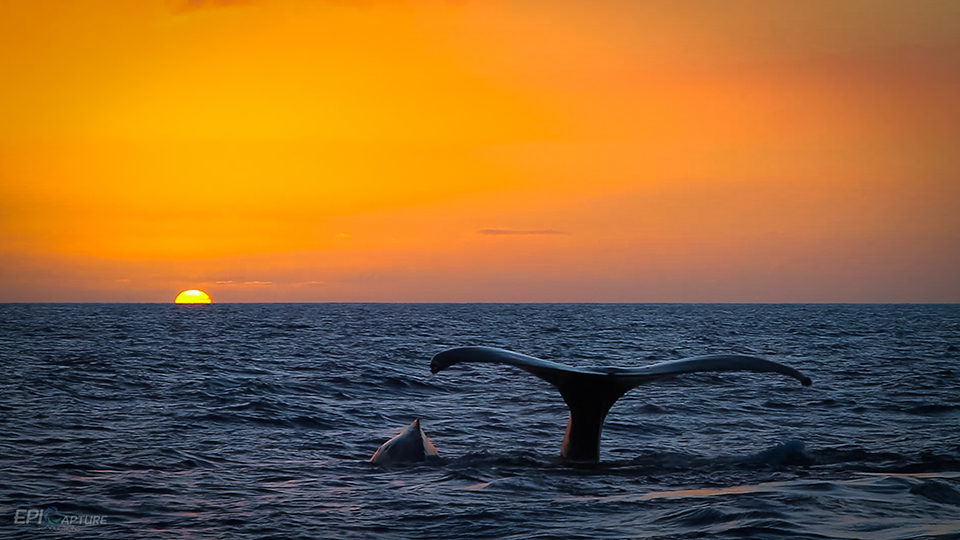
While visiting Maui in the winter, you won’t want to miss these charismatic animals. Take a snorkeling and whale watching tour, or enjoy a sunset dinner cruise on the Pride of Maui. Your trip to Maui will be even more memorable once you’ve experienced these magnificent animals on the water.
Islands Humpback Whale National Marine Sanctuary Programs
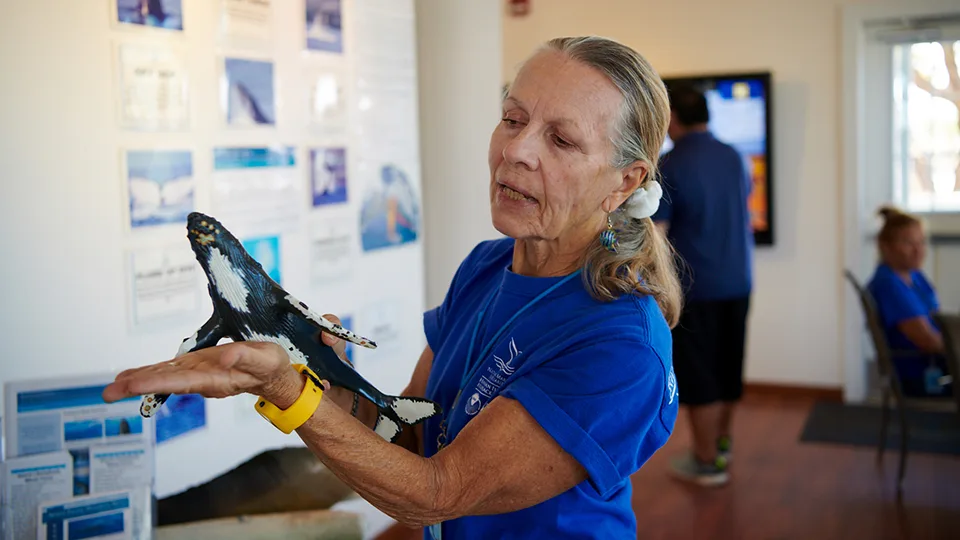
The Islands Humpback Whale National Marine Sanctuary stands as a vital guardian for the humpback whales that grace the Hawaiian Islands each winter. Established to protect the North Pacific humpback whale and its unique habitat, the sanctuary is a collaborative effort between the National Oceanic and Atmospheric Administration (NOAA) and the State of Hawaii. Through a range of innovative programs, the sanctuary works tirelessly to ensure that these magnificent whales, once listed as an endangered species, continue to thrive in the warm, sheltered waters of the islands.
Visit Maui to see
North Pacific
Humpback Whales
This winter, be sure to book a whale watching trip in Maui. You will never forget seeing these incredible creatures in their natural habitat. Mahalo for reading our blog!